
Welcome to the pixelated playground where AI in online games is the ultimate game-changer! Imagine a world where your virtual opponents are smarter than your last date and the NPCs actually remember that time you saved the kingdom. In this digital realm, artificial intelligence isn’t just a fancy term; it’s the secret sauce that makes your gaming experience more thrilling than a rollercoaster ride on a caffeine high!
From crafting adaptive gameplay that morphs to your skills to giving non-player characters (NPCs) more personality than your average soap opera star, AI is revolutionizing how games are designed and played. Join us as we explore the various ways AI enhances player interaction, making every session feel like a personalized adventure, and peek into the crystal ball to discover what the future holds for AI in the gaming universe!
The Role of AI in Game Development
As gaming technology whizzes forward like a hyper-speeding spaceship, artificial intelligence (AI) stands tall as the brain behind the operation. From enemy AIs that seem to have attended a masterclass in strategy to dynamic environments that adapt to player actions, AI is reshaping the landscape of game development, making our virtual escapades more immersive and less predictable than a cat video on the internet.AI algorithms serve as the secret seasoning in the recipe of game design.
They analyze player behavior, predict actions, and adjust game mechanics in real-time, creating a unique (and often chaotic) experience for each player. Imagine a game that knows you better than your grandma at Christmas; that’s the power of AI! These smart algorithms work their magic, enhancing graphics, refining gameplay, and even optimizing the storyline based on player choices, making it seem like each player’s experience is tailor-made.
Adaptive Gameplay Experiences
The magic of AI shines brightest in its ability to create adaptive gameplay experiences. This means no two players will have the same adventure, turning every gaming session into a fresh and exciting saga. The brilliance lies in AI’s capability to analyze gameplay data and adjust the difficulty and storyline dynamically. Here’s why this matters:
- Personalized Challenges: AI can adapt enemy difficulty based on player skill. If you’re breezing through, get ready for a surprise boss fight, because AI has its eye on you!
- Dynamic Narratives: Some games adjust the plot based on your choices, leading to multiple endings. Forget predictability; your decisions matter more than ever before.
- Intelligent Assistance: AI can also provide hints and tips tailored to your play style. It’s like having a game buddy who knows when you need help (but not the one who hogs the snacks).
AI-driven NPC Behaviors in Popular Online Games
Non-player characters (NPCs) are no longer mere pawns driven by simple scripts; they now exhibit behaviors that can stump even the most seasoned players. Popular online games have embraced AI to craft NPCs that feel alive, responsive, and sometimes a bit too cunning. Consider these noteworthy examples:
- The Elder Scrolls V: Skyrim: NPCs in Skyrim operate on a daily schedule, eat, sleep, and engage in various activities, making the world feel breathlessly alive. You might even catch them gossiping about your last heroic deed or the time you accidentally picked a fight with a giant.
- Far Cry 5: Enemies in this game use tactical maneuvers, scout the area, and react to your actions. If you blow up their buddy, don’t be surprised if they start flanking you like a well-coordinated SWAT team. AI truly levels up the chaos!
- Red Dead Redemption 2: The NPCs here have a personality! They react to your behavior, whether you’re a charming outlaw or a wanted criminal. The AI ensures that your actions reverberate through the world, making you feel like the star of your own Wild West movie.
AI in game development is not just about making games smarter; it’s about making players feel smarter too!
AI and Player Interaction
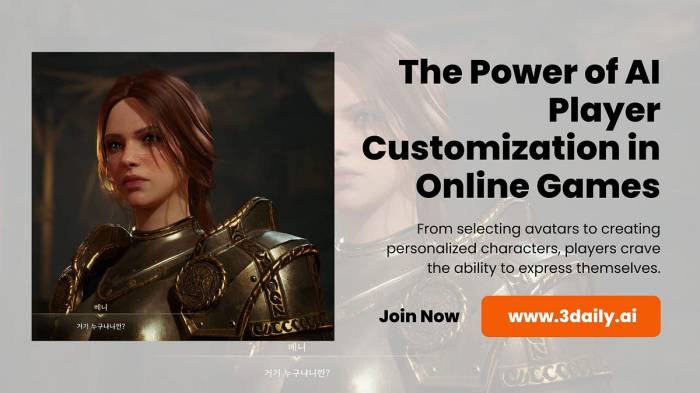
In the dynamic world of online gaming, player interaction is pivotal, and AI is the sidekick we’ve always dreamed of! This tech wizardry is not just about making games look pretty; it’s about crafting personalized experiences that have players feeling like the stars of their own epic tales. Let’s delve into how AI sprinkles its magic on engagement, matchmaking, and even those late-night player support chats.
Personalized Player Experiences
AI brings the personal touch to gaming like a warm cup of cocoa on a snowy night. By analyzing player behavior, preferences, and play styles, AI can tailor experiences that keep gamers glued to their screens. Imagine a game that learns that you prefer stealthy tactics over all-out brawls, or that you have an affinity for collectible quests. This level of personalization allows players to feel like the game is designed just for them, enhancing immersion and satisfaction.
- Adaptive Difficulty: AI can modify game challenges in real-time, ensuring players are neither breezing through nor banging their heads against walls of difficulty.
- Content Recommendations: Whether it’s a new quest, character skins, or in-game items, AI suggests content based on individual play styles, making every player’s journey unique.
- Dynamic Storytelling: With AI, narrative arcs can shift based on player decisions, leading to a plethora of different outcomes, each unique to the player’s choices.
Impact on Matchmaking Systems
Matchmaking in online games is like trying to find a soulmate on a dating app—it’s all about compatibility! AI plays matchmaker by analyzing player skills, preferences, and even playtime patterns to create fair and balanced gaming experiences. Gone are the days of being paired with someone who’s been gaming since the dawn of time while you’re still figuring out which button jumps.
- Skill-Based Matching: AI evaluates player abilities to ensure they are matched with others of similar skill levels, enhancing competitiveness and fun.
- Behavioral Analysis: By reviewing player conduct and past interactions, AI helps to reduce toxicity in games by matching players with similar attitudes.
- Queue Times Optimization: AI algorithms can analyze peak times and player availability to optimize matchmaking speed, ensuring no one is left waiting forever.
Use of AI Chatbots for Player Support
Picture this: it’s 2 AM, you’re stuck in a game, and suddenly, a friendly chatbot pops up like a digital fairy godmother ready to grant your gaming wishes! AI chatbots are revolutionizing player support by providing instant assistance, 24/7. They’re like having a knowledgeable sidekick right in your pocket, ready to tackle queries and troubleshoot issues faster than a speeding bullet.
- Instant Responses: Chatbots can answer common queries, allowing human support teams to focus on more complex issues that require a personal touch.
- Game Updates and Notifications: Players can receive real-time updates about game changes, events, or maintenance schedules, ensuring they’re always in the loop.
- Community Engagement: Chatbots can facilitate discussions, guiding players to community resources, forums, or even connecting them with fellow gamers to foster camaraderie.
Future Trends of AI in Online Gaming
As gaming continues to evolve at breakneck speed, the role of Artificial Intelligence (AI) is transforming from a mere player in the background to a superstar on the main stage. With emerging technologies pushing the boundaries of what’s possible, we find ourselves on the brink of an AI revolution in online gaming. Buckle up, gamers, as we dive into the future of virtual escapades where bots and pixels shape our adventures in ways we barely imagined!
Emerging Technologies Shaping AI in Gaming
The landscape of online gaming is being reshaped by several groundbreaking technologies that harness the power of AI. These innovations promise to enhance player experiences, making games more immersive, challenging, and tailored to individual preferences. Here are key technologies making waves:
- Machine Learning: This enables games to learn from player actions, adapting dynamically to their style. Ever had that overly smart NPC who seems to predict your every move? Yeah, that’s machine learning flexing its muscles!
- Natural Language Processing (NLP): Imagine chatting with your in-game companions as if they were your old pals! NLP allows for more engaging and human-like interactions with game characters, sparking friendships that last longer than your last relationship.
- Procedural Generation: Say goodbye to cookie-cutter landscapes! AI is now creating vast, unique worlds on the fly, ensuring that no two gaming sessions feel the same, much like how you still can’t figure out which direction to take in an IKEA store.
- Cloud Gaming: The ability to play high-end games on low-spec machines through cloud computing is changing the accessibility game. No more “my toaster can’t handle this!” excuses when your friends invite you for a raid.
Potential Ethical Implications of AI in Online Games
With great power comes great responsibility, or so Uncle Ben would say. As AI becomes more integrated into online gaming, we must carefully consider the ethical implications that follow. Here are some pressing concerns that need addressing:
- Data Privacy: Games collect data to personalize experiences. Players must be aware of how their information is used and stored, or we could end up with a game that knows more about us than our therapists.
- Fairness and Bias: AI algorithms can inadvertently perpetuate biases. If a game’s AI favors certain play styles or demographics, it risks alienating players, potentially leading to a digital divide that’s harder to breach than an impenetrable fortress in a fantasy RPG.
- Automation of Gameplay: With AI bots mimicking human players, the line between real and artificial deftness may blur. Will you still feel accomplished when you’ve beaten a robot at its own game? Spoiler: probably not.
Advancements of AI in Virtual Reality Gaming
Picture this: you put on your VR headset and are immediately transported to a world where AI characters not only react to your presence but also recognize your emotions. In this dazzling future, AI-driven virtual companions become your allies, understanding your emotional state and providing tailored support as you battle through dragons or solve complex puzzles. Imagine walking into a tavern where an AI bard strums a cheerful tune, picking up on your mood, and adapts the lyrics to cheer you up after a tough boss fight.
Suddenly, your virtual buddy is belting out a heartfelt ballad about your epic fail against the dragon, and you can’t help but giggle. The realism is so immersive that you almost forget you’re in your living room wearing fuzzy slippers.These advancements don’t just stop at emotional support – AI could also fine-tune the difficulty of challenges based on your performance in real-time.
Struggling with a particularly tricky level? Your AI companion might just drop a power-up or suggest a clever strategy, ensuring that the only thing you rage-quit over is your snack stash running low.In this brave new world of AI-powered VR, players will have experiences that are personalized, engaging, and, most importantly, a whole lot of fun!
Summary
So, there you have it! AI in online games is not just about crunching numbers or generating random loot drops; it’s about creating immersive worlds where every pixel can surprise you. As we continue to embrace new technologies and grapple with ethical considerations, let’s remember that behind every clever bot and adaptive algorithm is the potential for endless fun and creativity.
The next time you level up, just know that there’s a little AI magic making your journey that much more epic!
FAQ Insights
How does AI improve NPC behaviors?
AI enables NPCs to react dynamically to player actions, creating a more realistic and engaging experience.
Can AI personalize my gaming experience?
Absolutely! AI analyzes your gameplay style to tailor challenges and content that match your preferences.
What are the ethical concerns surrounding AI in games?
Concerns include data privacy, the potential for manipulation, and how AI decisions affect gameplay fairness.
Will AI replace human game developers?
Nope! AI assists developers but creativity and storytelling still require that special human touch.
How is AI used in matchmaking systems?
AI analyzes player skills and behaviors to create balanced matches, enhancing competitive play.